Cross-Country Skiing Layering Guide

Cross-Country Skiing
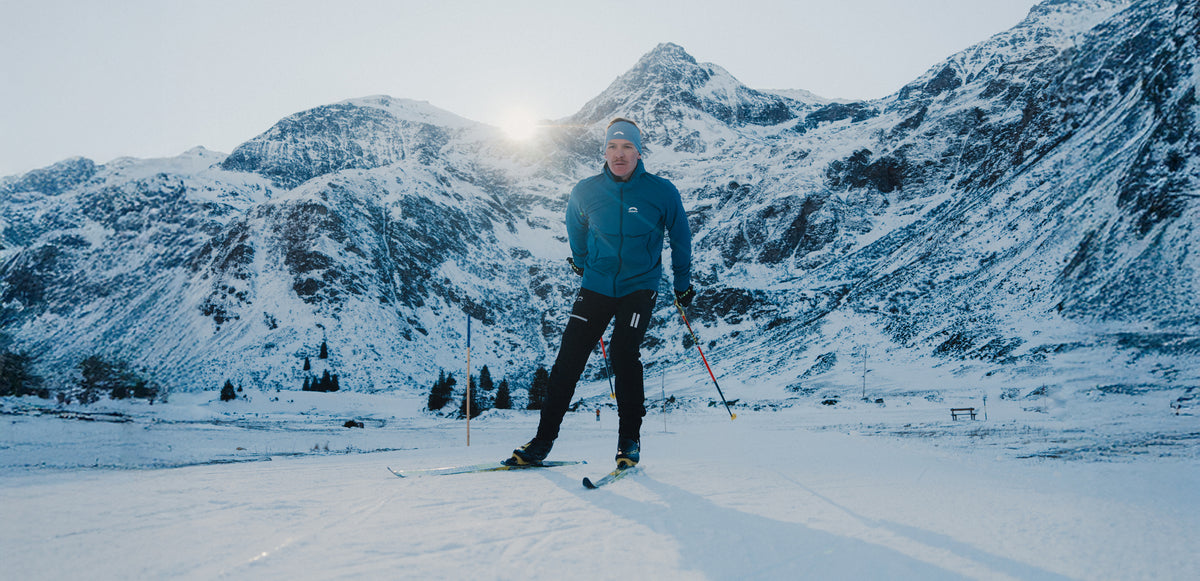
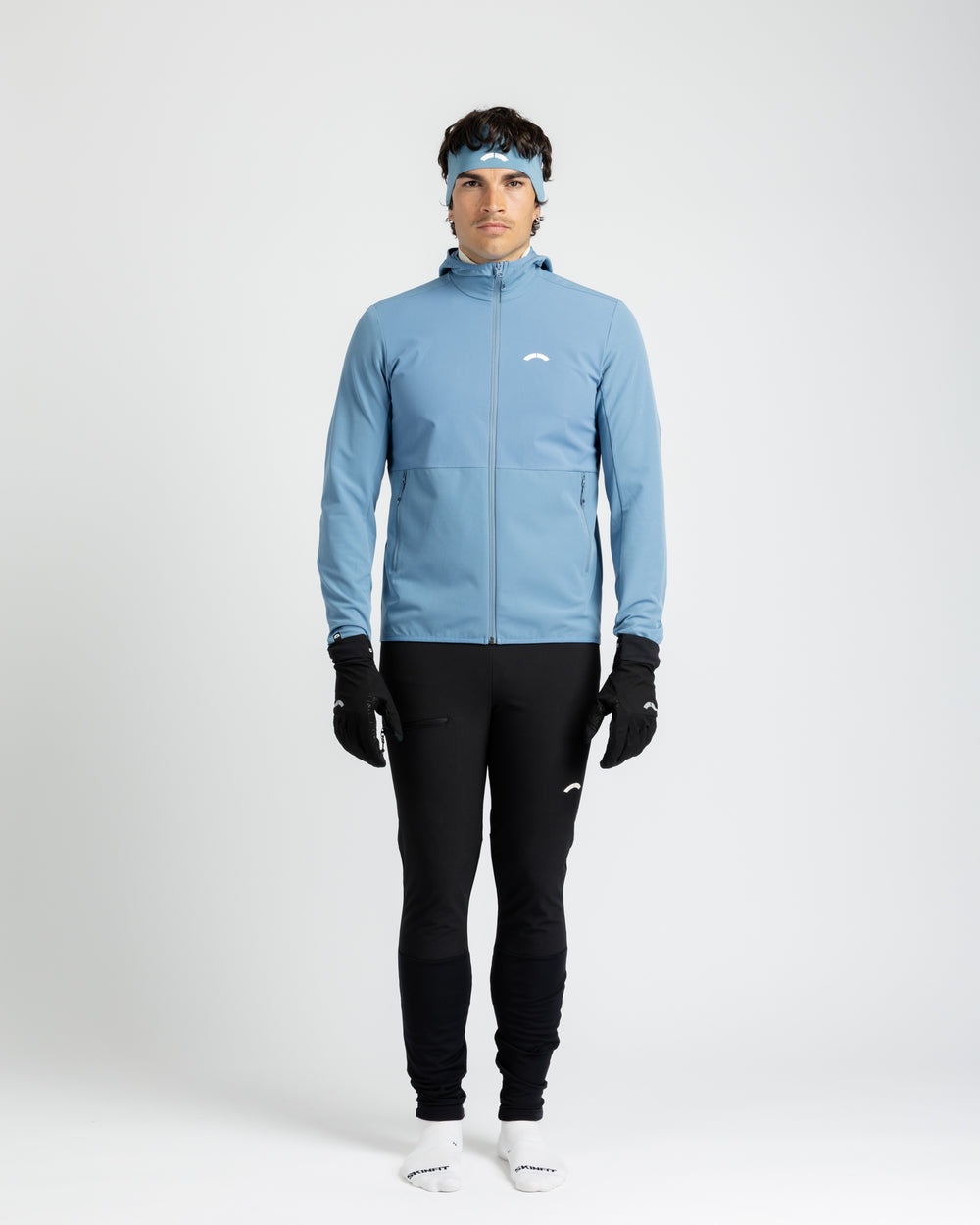
Cross-country skiing means high intensity in freezing temperatures. Skinfit layering for cross-country skiing protects against wind chill, wicks away moisture, and allows you complete freedom of movement.
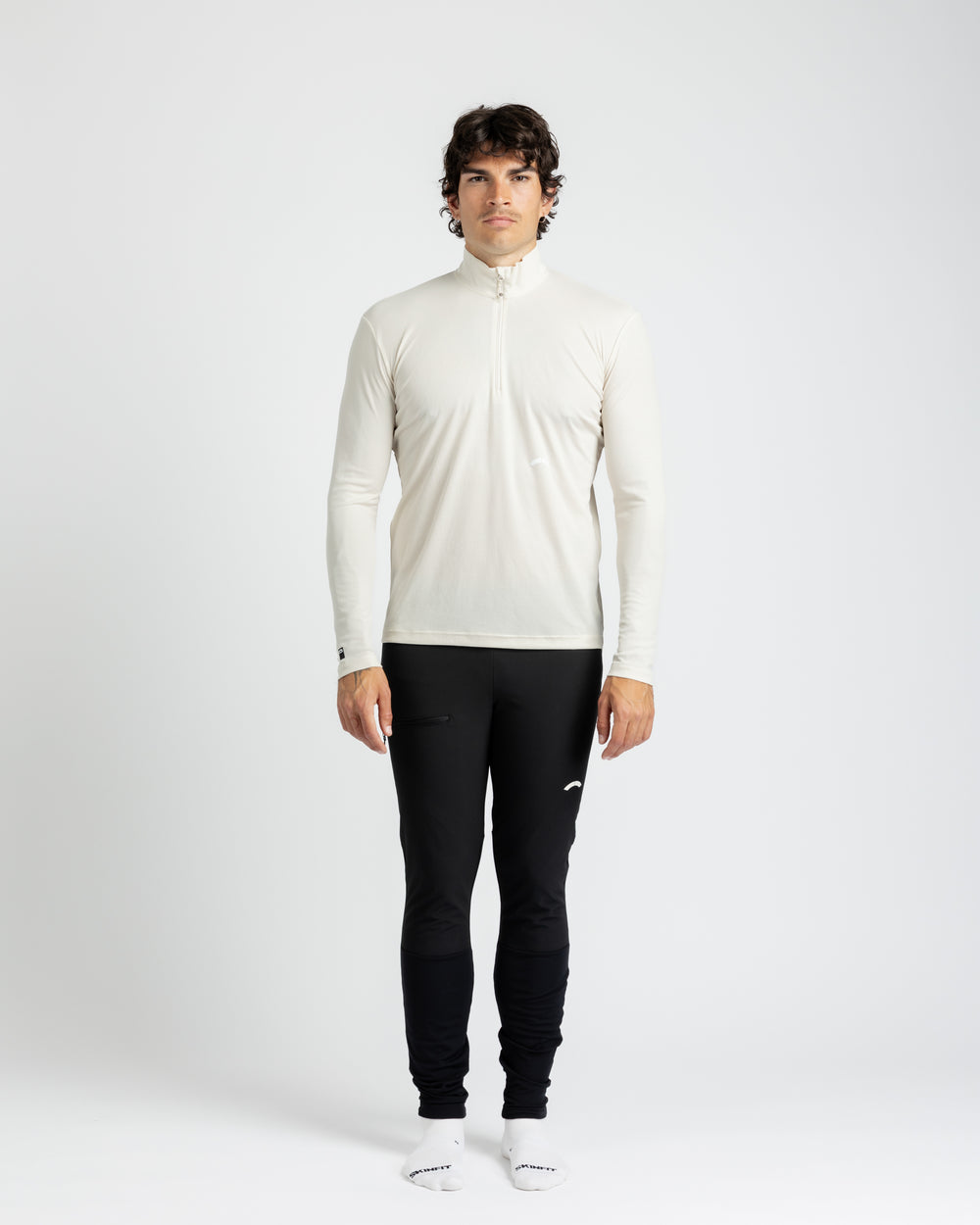
Baselayer
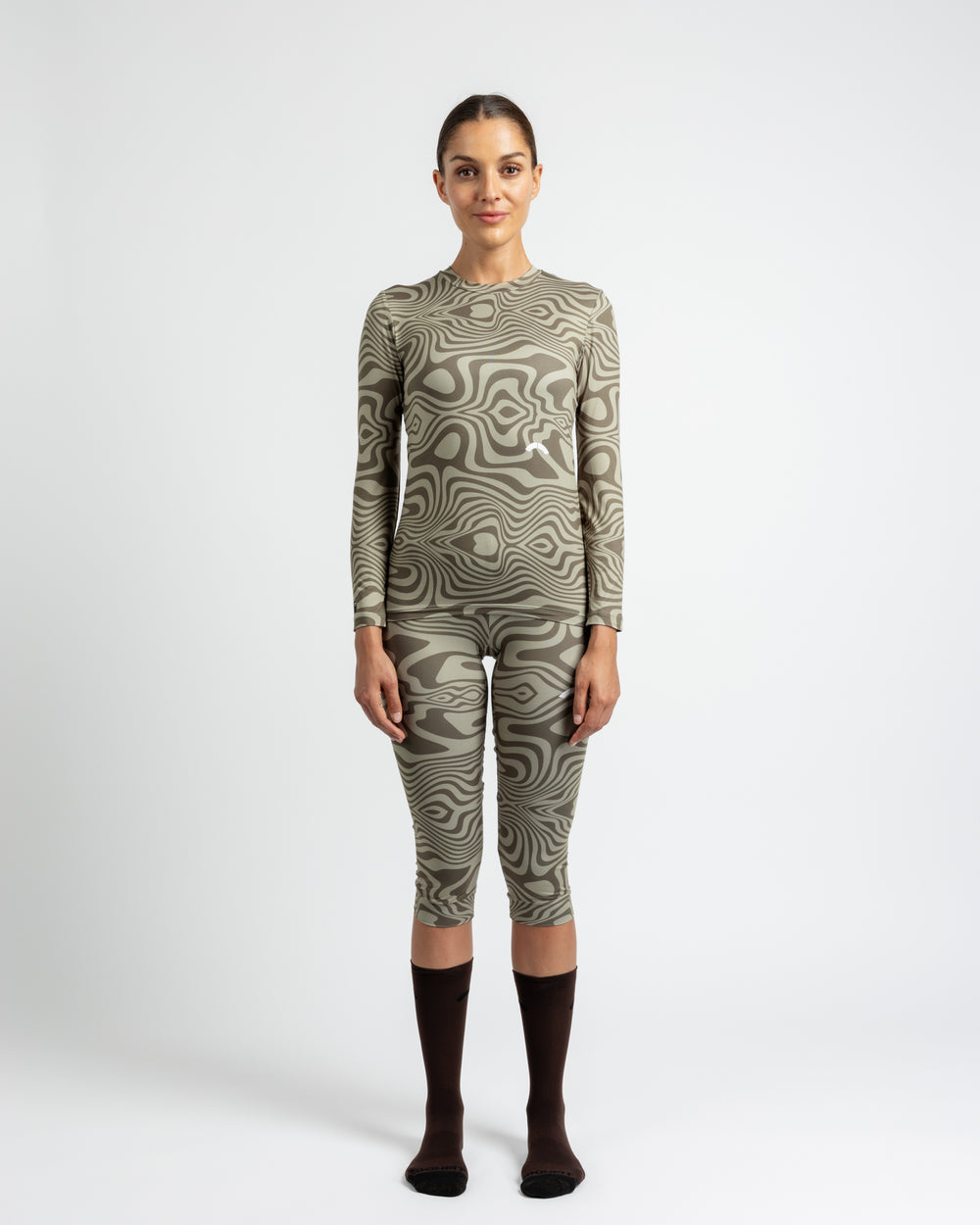
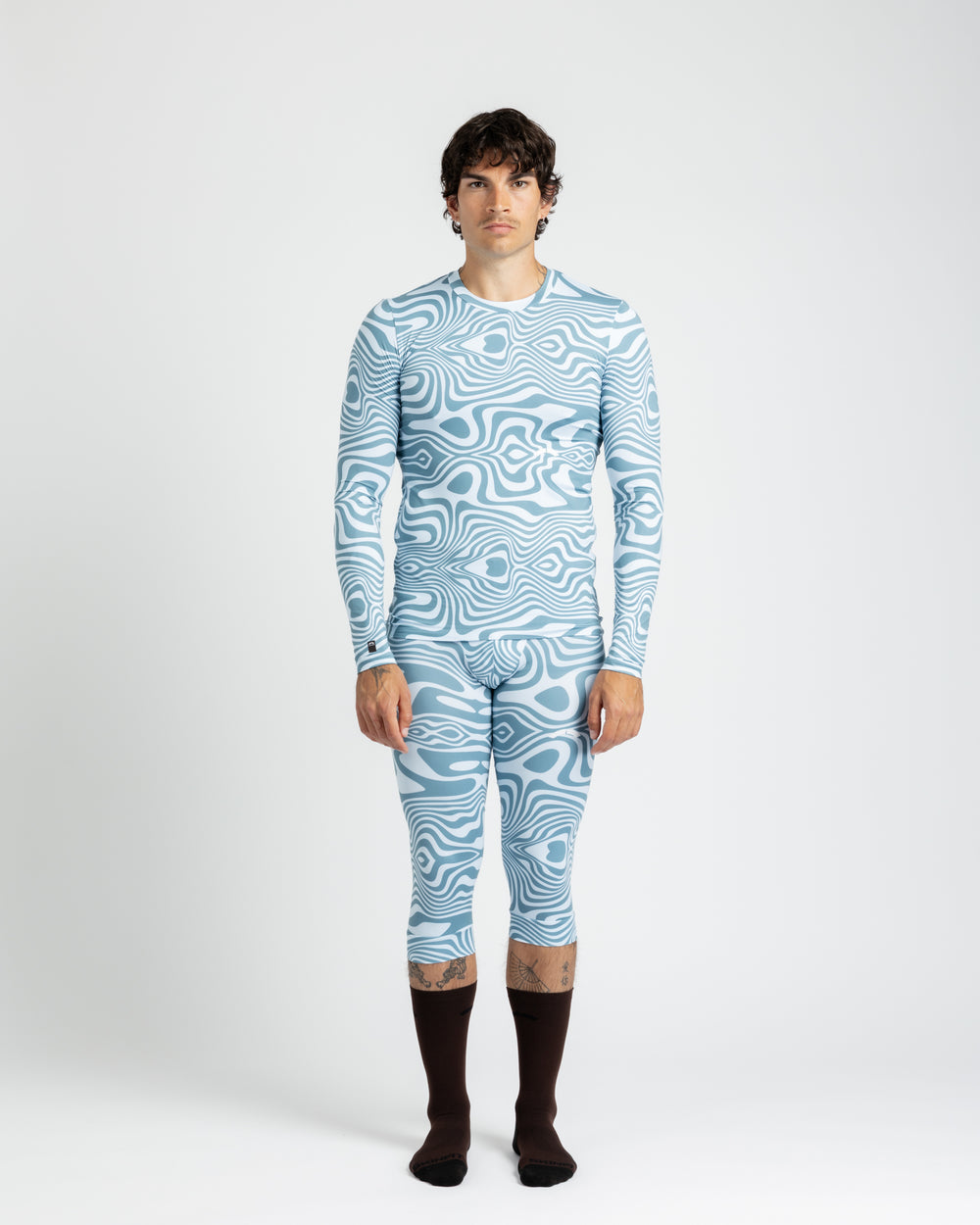
Cross-country skiing constantly generates heat and moisture. The Baselayer wicks both away from your skin, preventing you from getting chilled by the wind on the trail. It fits snugly without being restrictive and stays exactly where it should during the double poling motion.
Midlayer
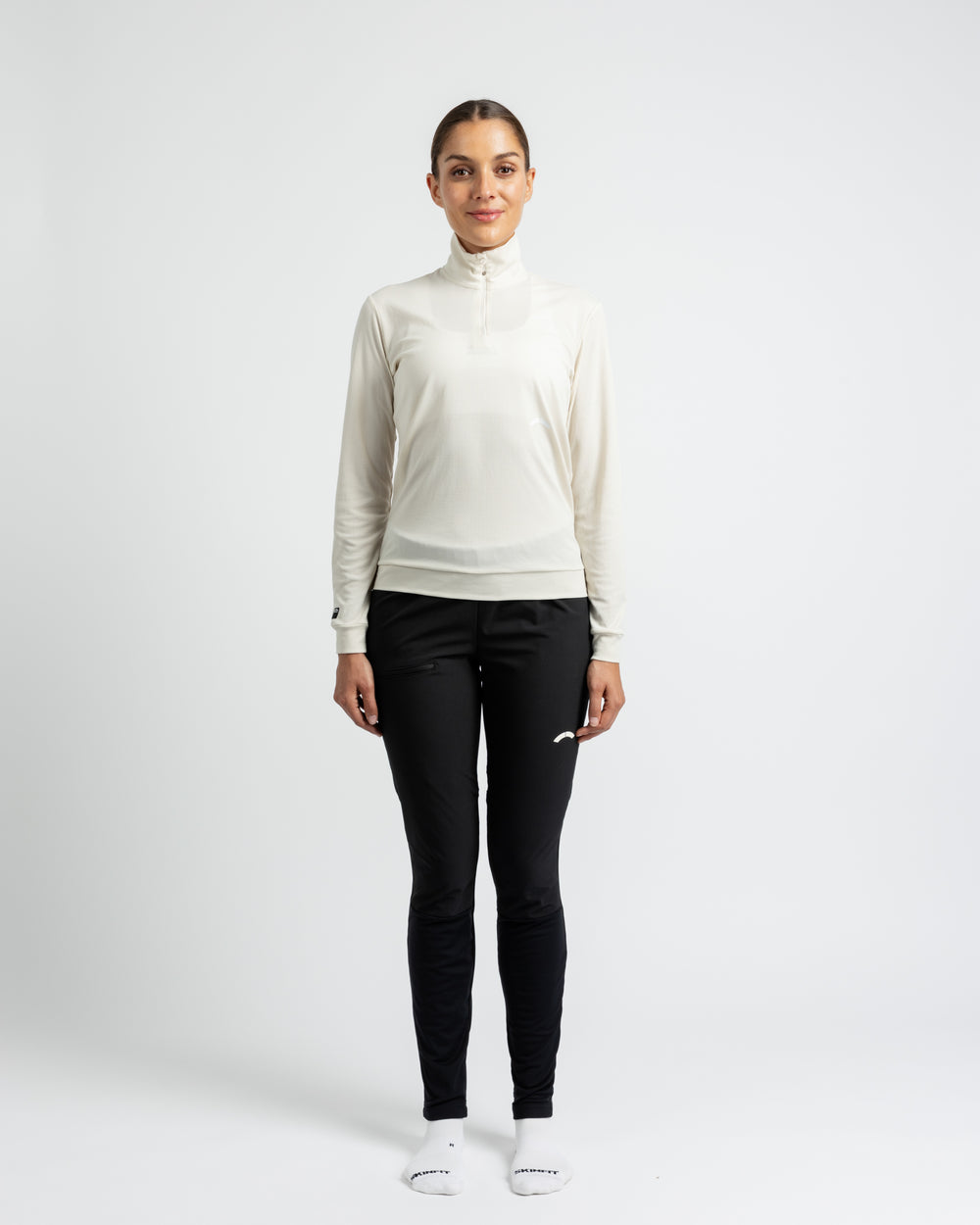
The Midlayer retains the heat you generate on the move and lets moisture pass further to the outside. In cross-country skiing, the cut is what matters: it has to follow every arm movement without shifting or building up bulk.
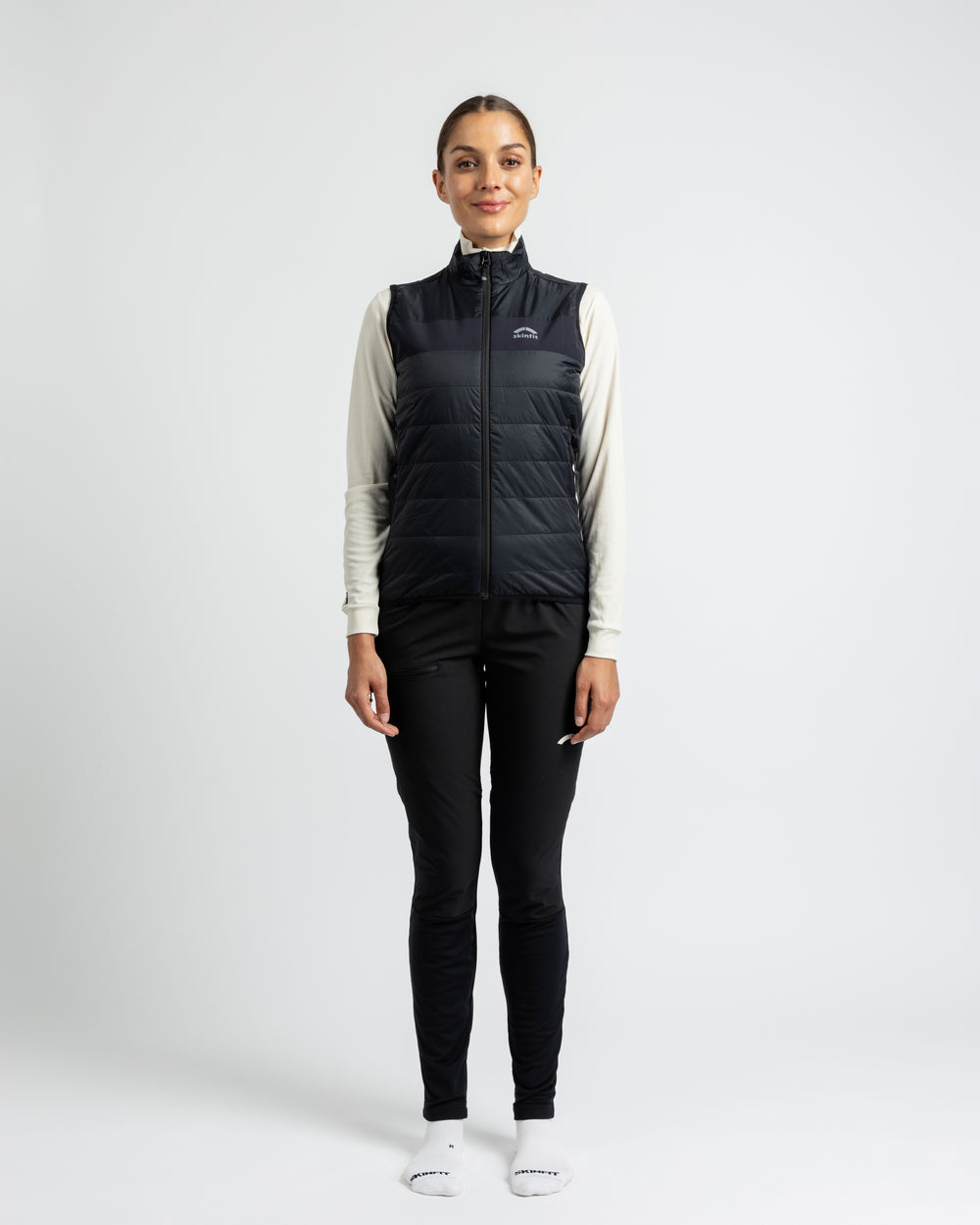
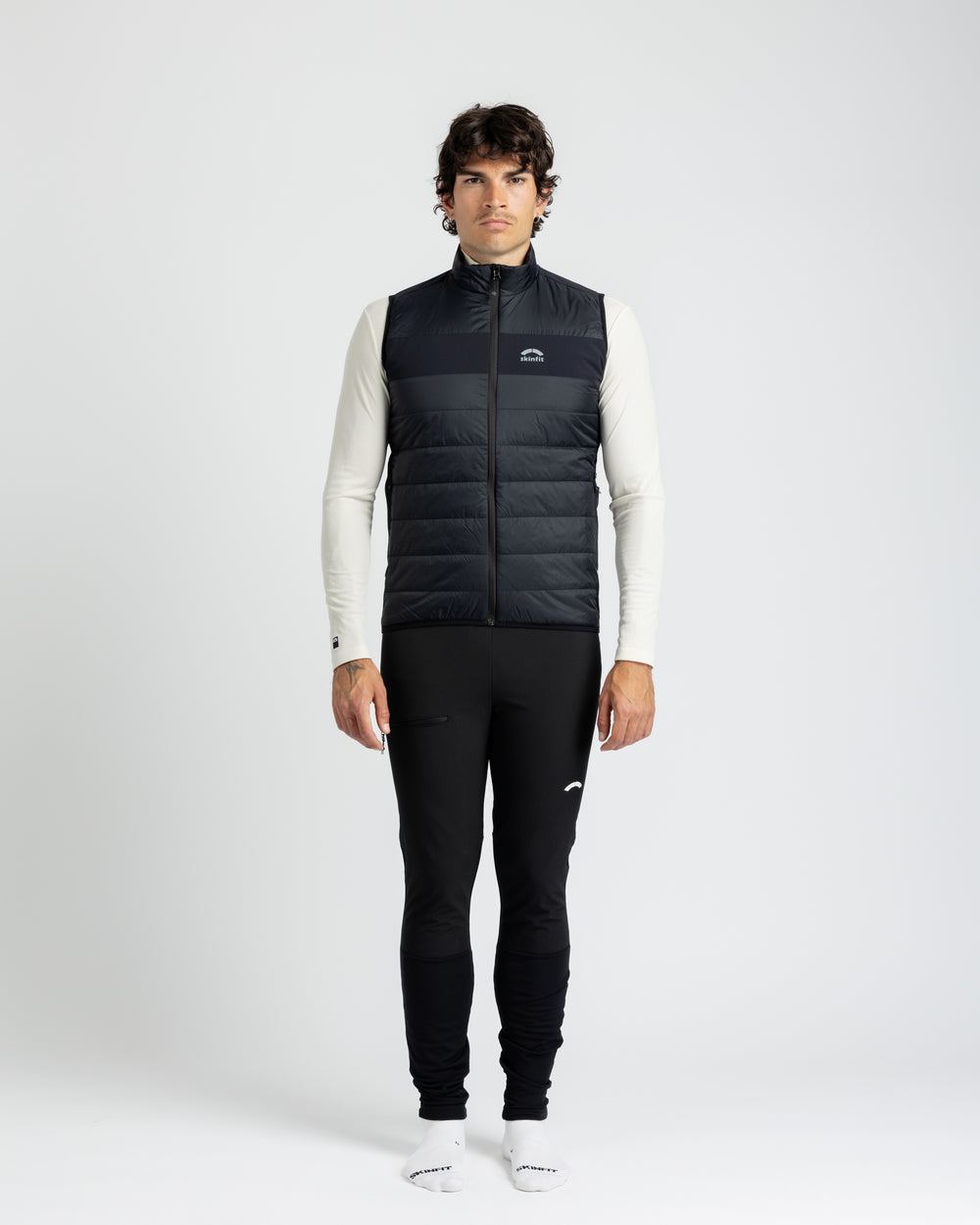
Insulationlayer
You need insulation for cross-country skiing primarily before and after exertion: during warm-up, breaks, and after crossing the finish line. Once you get into a fast pace, you can take it off. Therefore, its pack size is just as important as its thermal performance.
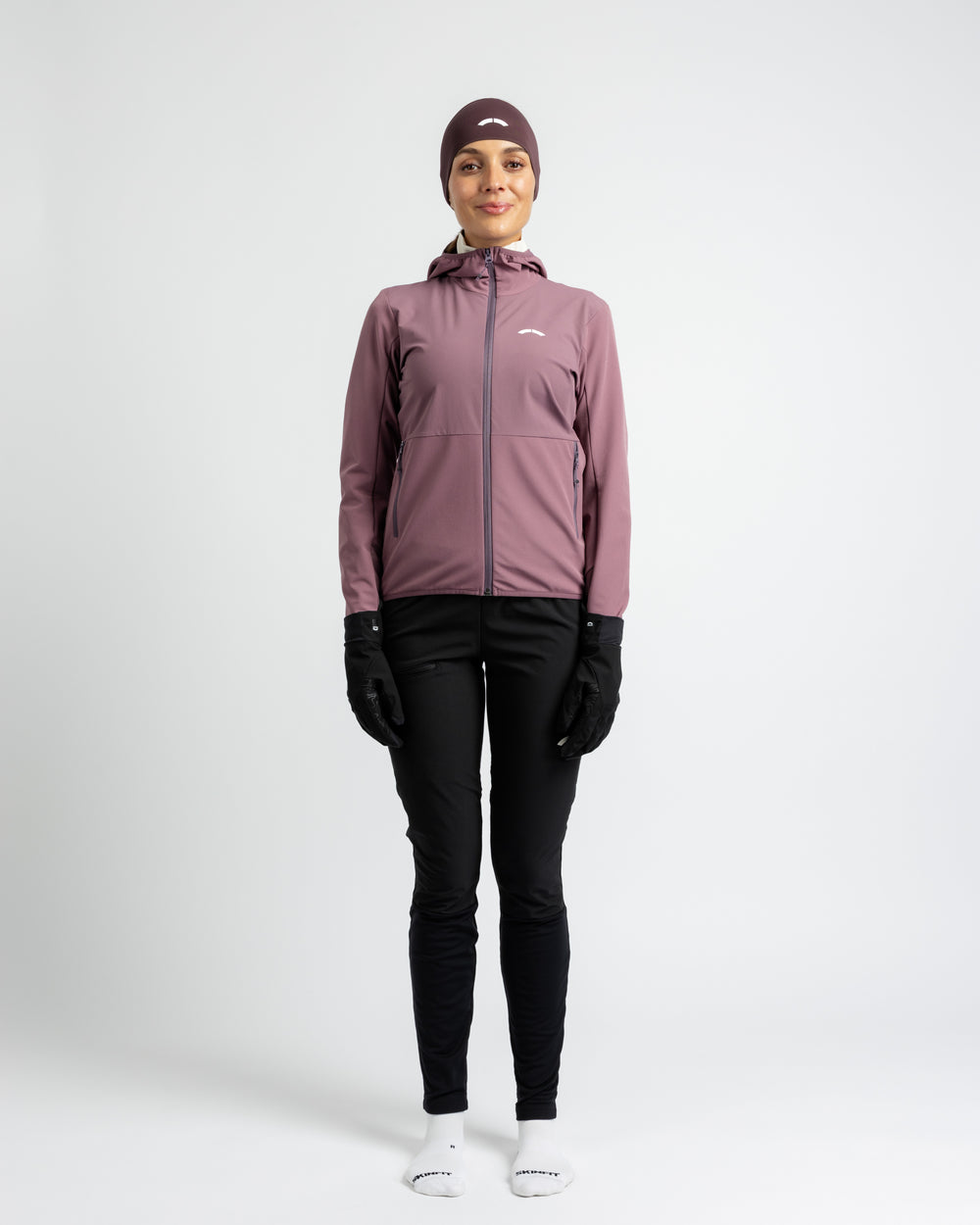
Toplayer
The Toplayer protects you from wind chill and cold from the front while cross-country skiing. It blocks the wind where it hits you and remains breathable where you need to release heat. This prevents you from overheating, even in sub-zero temperatures.
Pants
For cross-country skiing, a single layer on the leg is sufficient; it should fit snugly and move with you. It protects the front of your body from the wind, wicks moisture away, and doesn't add bulk that would slow you down during your push-off.