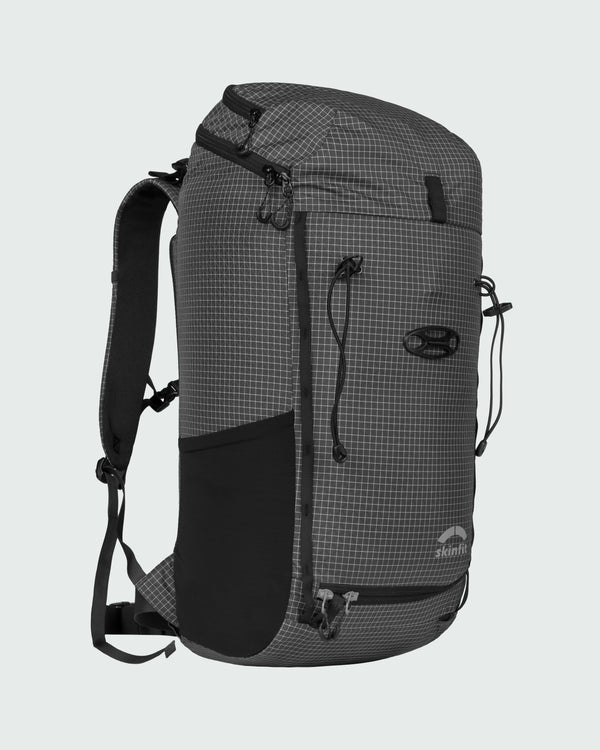
Sports backpacks

When it comes to sports backpacks, ergonomic fit, practical compartments, and robust material are key for active tours. This supports efficient movement without unnecessary weight or bothersome details.

Sports backpacks
12 items

The right backpack depends on the sport, the duration and the equipment you need. For trail running or speed hiking, particularly light and close-fitting models are suitable. On day tours, a hiking backpack offers space for food, a change of clothes and weather protection. For multi-day tours, a larger pack volume is needed. Sport-specific attachment points can also influence your choice.

A sports backpack carries your equipment as comfortably and securely as possible. Adjustable shoulder straps as well as chest and hip belts can stabilize and distribute the weight. Different compartments make it easier to stay organized, while outer pockets keep frequently needed items within reach. Depending on the model, features such as hydration system compatibility, a helmet holder, pole attachment or an integrated rain cover are added.

A sports backpack should fit close to the body and shift as little as possible when you move. The shoulder straps must sit comfortably without digging in. A chest strap stabilizes the shoulder straps, while a hip belt on larger models can transfer part of the weight to the pelvis. It should be possible to adjust the back length and straps to your body. Freedom of movement must not be restricted.

The size you need depends on the duration of the tour, the season and your equipment. For short runs or minimalist tours, a small volume is enough. A medium-sized backpack is suitable for many day tours with food, a change of clothes and weather protection. For multi-day trips, more storage space is needed. The volume is stated in liters and should match your actual needs.

Like a running vest, a trail running backpack fits snugly on the upper body and is designed for low weight and as little movement as possible. Frequently needed items and drinks are usually quick to reach. A hiking backpack generally offers more storage space and a more substantial carrying system. Which model suits you better depends on your pace, the duration of the tour and the equipment you need.

No, not every backpack is waterproof. Water-repellent materials protect against light precipitation but do not permanently prevent water from getting in. For a waterproof construction, the seams, zippers and closures are just as important as the outer material. With models that are not waterproof, a rain cover or waterproof dry bags can provide additional protection for the contents.

During exercise, heat and moisture build up between your back and the backpack. Breathable shoulder straps, mesh inserts or ventilated back panels can support air circulation. However, sweating under a backpack cannot be completely prevented. How well the ventilation works depends on the construction, body contact, outside temperature and exercise intensity.

A large main compartment offers space for clothing and equipment. Smaller inner compartments help you store keys, valuables and other items separately. Side pockets are suitable for water bottles or food. Outer pockets allow quick access without having to open the main compartment. The right layout depends on which equipment you want to reach during the activity.

A hydration system lets you drink on the move without taking off your backpack. This is particularly practical for trail running, hiking, cycling or on longer tours. For this, the backpack needs a suitable compartment, a hanging loop and an opening for the drinking tube. The reservoir and tube are not included with every model.

Depending on the sport, holders for trekking poles, skis, a helmet or other equipment can be useful. They allow you to carry gear outside the main compartment and keep your hands free. It is important that the attached equipment sits securely and does not restrict freedom of movement. The attachment options available are stated in the respective product description.

A cycling backpack should sit firmly on your back and not slip, even in a forward-leaning position. A close-fitting carrying system, an adjustable chest strap and good back ventilation increase comfort. Depending on the use, hydration system compatibility, a helmet holder, reflective elements or rain protection can be useful. The pack volume should suit the scope of the tour.

A hiking backpack should offer enough space for food, water, a change of clothes and weather protection. The carrying system must be easy to adjust and distribute the weight as evenly as possible. For longer tours, a hip belt and easy-to-reach pockets are particularly practical. Durability, rain protection and attachment options for trekking poles can also be important when choosing.

Heavy items should be stowed as close to your back as possible and at roughly the height of your center of gravity. Lighter equipment can go further out or lower down. Frequently needed items such as food, gloves or weather protection belong in easy-to-reach compartments. Liquids and fragile items should be securely closed. Even weight distribution improves stability and carrying comfort.